Blockchain Confirmation Velocities Shape Loyalty Point Systems in Mobile Gambling Platforms
Written by Zara Fischer · Oct 31, 2026
Blockchain Confirmation Velocities Shape Loyalty Point Systems in Mobile Gambling Platforms
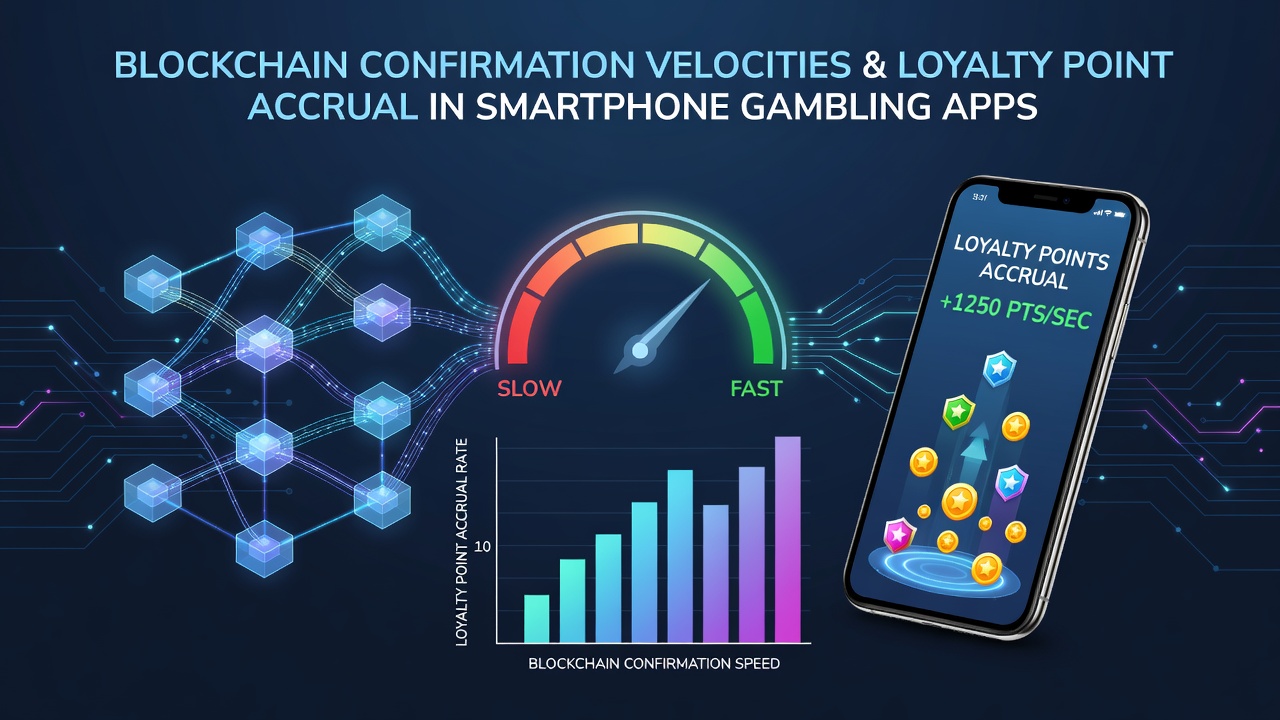
Blockchain confirmation velocities determine how quickly transactions receive validation across distributed networks, and these speeds directly influence when loyalty points appear in smartphone-based gambling applications that rely on digital currencies for deposits, bets, and withdrawals. Faster networks process blocks in seconds while others require several minutes per confirmation, creating measurable differences in reward timing for users who play through mobile interfaces.
Core Mechanics of Confirmation Velocities
Confirmation velocity refers to the average time required for a blockchain to add a transaction to a verified block and reach the necessary number of subsequent blocks for finality. Networks such as those using proof-of-stake mechanisms often achieve sub-minute confirmations, whereas proof-of-work systems historically require longer intervals before operators release associated loyalty credits. Application developers integrate these timing parameters into backend scripts so that points accrue only after a transaction reaches a predetermined confirmation threshold, which prevents premature crediting of rewards tied to unconfirmed funds.
Smartphone applications transmit transaction data through wallet APIs that monitor mempool activity and block explorers in real time. When a deposit clears the required confirmations, the system triggers an automated call to the loyalty database, adding points proportional to the wager amount or deposit size. Delays occur when network congestion extends block intervals, and operators document these patterns through timestamp logs that correlate confirmation duration with point allocation records.
Impact on Point Accrual Timelines
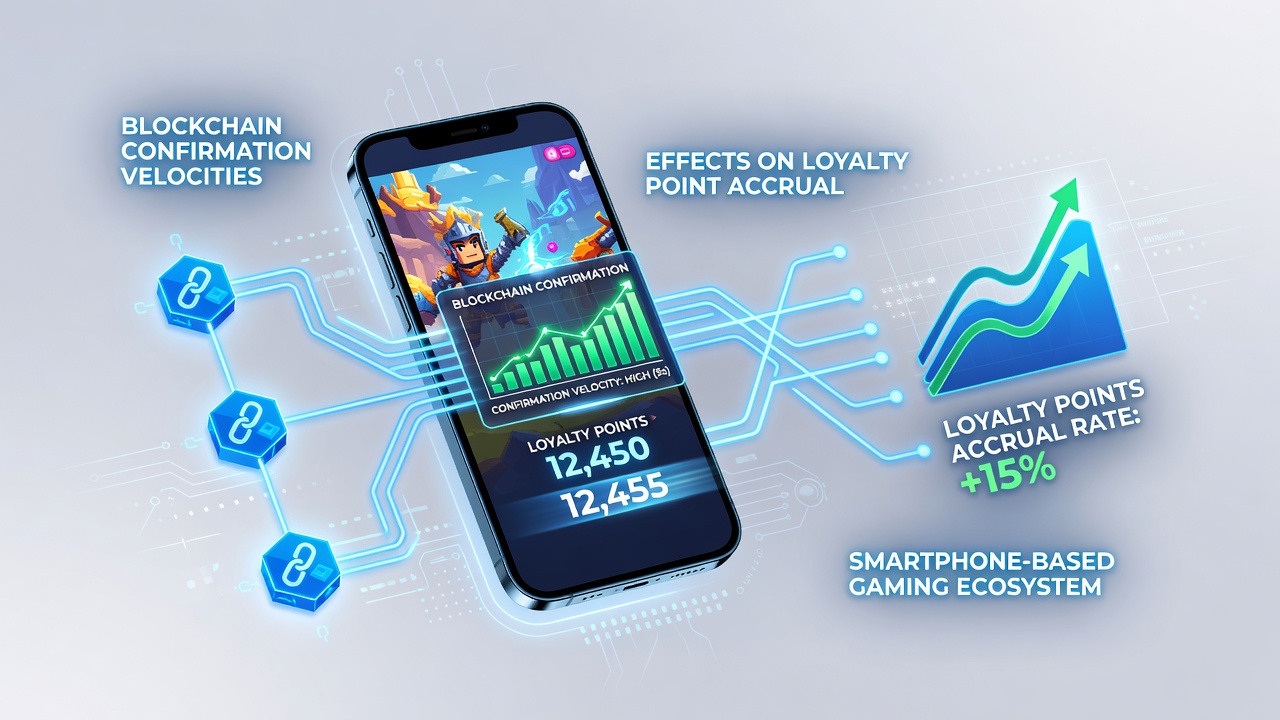
Loyalty programs in mobile gambling environments calculate point awards based on confirmed activity rather than pending transactions, which means slower confirmation velocities extend the interval between a player's action and visible reward accumulation. Data from platform analytics indicate that chains with average confirmation times under thirty seconds produce point updates within the same gaming session for most users, while networks averaging four minutes or more shift point visibility to subsequent logins or separate balance refreshes.
Research from academic groups studying distributed ledger applications in gaming has examined how these timing differences affect user retention metrics across multiple jurisdictions. One analysis published by the University of Queensland examined transaction logs from several mobile platforms and found that loyalty point systems tied to faster confirmation protocols recorded higher same-day redemption rates compared with slower networks, although total points earned remained consistent when measured over weekly periods.
Platform Adaptations and Technical Integration
Developers adjust confirmation requirements according to the underlying blockchain's velocity profile, setting lower thresholds for high-speed networks and higher thresholds for those with variable block times. This calibration appears in the code that governs point multipliers and tier progression rules, ensuring that the system only recognizes finalized transactions. In October 2026 several platform operators updated their mobile applications to incorporate dynamic confirmation monitoring that adjusts thresholds automatically during periods of elevated network load.
Integration layers between gambling applications and blockchain nodes use webhooks to receive confirmation events, which then feed into loyalty engines responsible for tier calculations and bonus unlocks. Observers note that platforms operating across multiple chains maintain separate accrual queues for each network type, allowing simultaneous handling of fast and slow confirmation streams without cross-contamination of point ledgers.
Regulatory and Operational Considerations
Gaming regulators in various regions require operators to maintain audit trails that link confirmed blockchain transactions to loyalty point issuances, creating documentation standards that span from transaction hashes to final reward balances. The Australian Communications and Media Authority has referenced similar ledger verification practices in its guidance on digital payment transparency for interactive gambling services. Operators respond by embedding confirmation timestamps directly into compliance reports submitted during licensing reviews.
Industry associations such as the European Gaming and Betting Association have compiled technical briefs on ledger integration that highlight how confirmation velocity affects the sequencing of player rewards across borders. These documents emphasize the need for consistent confirmation policies regardless of the underlying network speed, so that point accrual rules remain uniform for users regardless of which blockchain supports their transactions.
Conclusion
Blockchain confirmation velocities establish the temporal framework within which loyalty points move from pending status to active balances in smartphone gambling applications. Technical parameters set by network protocols interact with application logic to determine when rewards become visible and usable, while regulatory frameworks require traceable connections between finalized transactions and point allocations. As networks evolve and operators refine their integration methods, the relationship between confirmation timing and reward systems continues to shape operational practices across mobile gambling platforms.