Navigating Layered Incentive Mechanisms Across Wireless Reel Networks Powered by Distributed Verification for Dedicated Participants
Written by Leon Müller · Nov 28, 2026
Navigating Layered Incentive Mechanisms Across Wireless Reel Networks Powered by Distributed Verification for Dedicated Participants
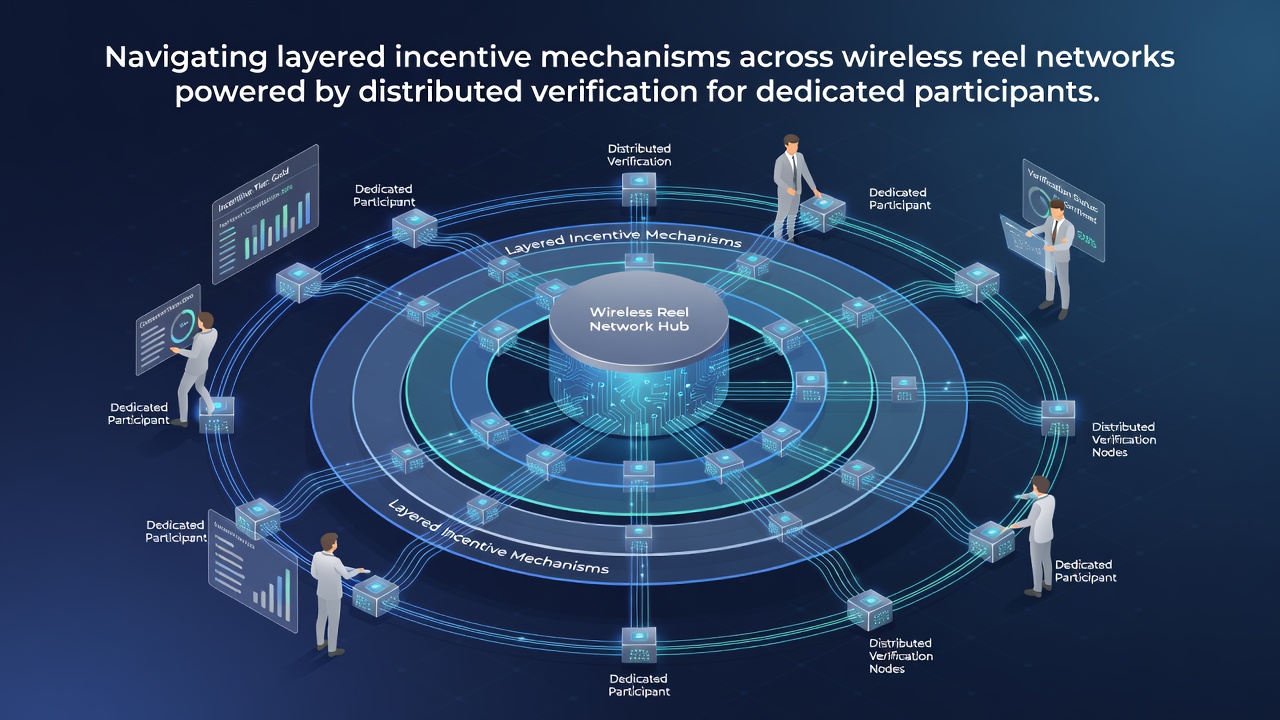
Wireless reel networks operate through interconnected mobile platforms that deliver slot-style games while managing multiple layers of incentives for players who engage consistently over time, and these systems rely on distributed verification protocols to confirm participation and reward allocation across decentralized nodes. Participants access these networks via handheld devices where reel outcomes combine with progress tracking that unlocks successive tiers of benefits including bonus credits, reduced wagering thresholds, and priority access to new game releases. Data from network operators shows that dedicated users who maintain regular activity patterns often progress through incentive layers faster than casual participants because verification mechanisms record every spin and session in tamper-resistant ledgers that multiple independent nodes cross-check before finalizing any reward distribution.
Layered structures typically begin with entry-level rewards that require minimal play volume then escalate to mid-tier benefits once cumulative activity reaches defined thresholds while top layers grant exclusive features such as personalized reel configurations and expedited payout processing. Distributed verification ensures each layer advancement receives confirmation from several network participants rather than a single central authority which reduces disputes and maintains transparency across the entire ecosystem. Observers note that this approach allows wireless reel networks to scale incentive programs without creating bottlenecks because verification tasks distribute among nodes that operate independently yet synchronize through consensus protocols.
Technical Architecture Supporting Incentive Layers
Each wireless reel network maintains a series of smart contracts that define the rules for incentive progression and these contracts execute automatically once distributed nodes validate the required activity data. Players interact with the system through mobile applications that transmit session logs to nearby verification nodes which then broadcast the information across the wider network for additional confirmation. Research indicates that networks using this model experience fewer discrepancies in reward calculations compared to centralized systems because multiple parties must agree on the validity of every recorded spin and achievement before any layer advancement occurs.
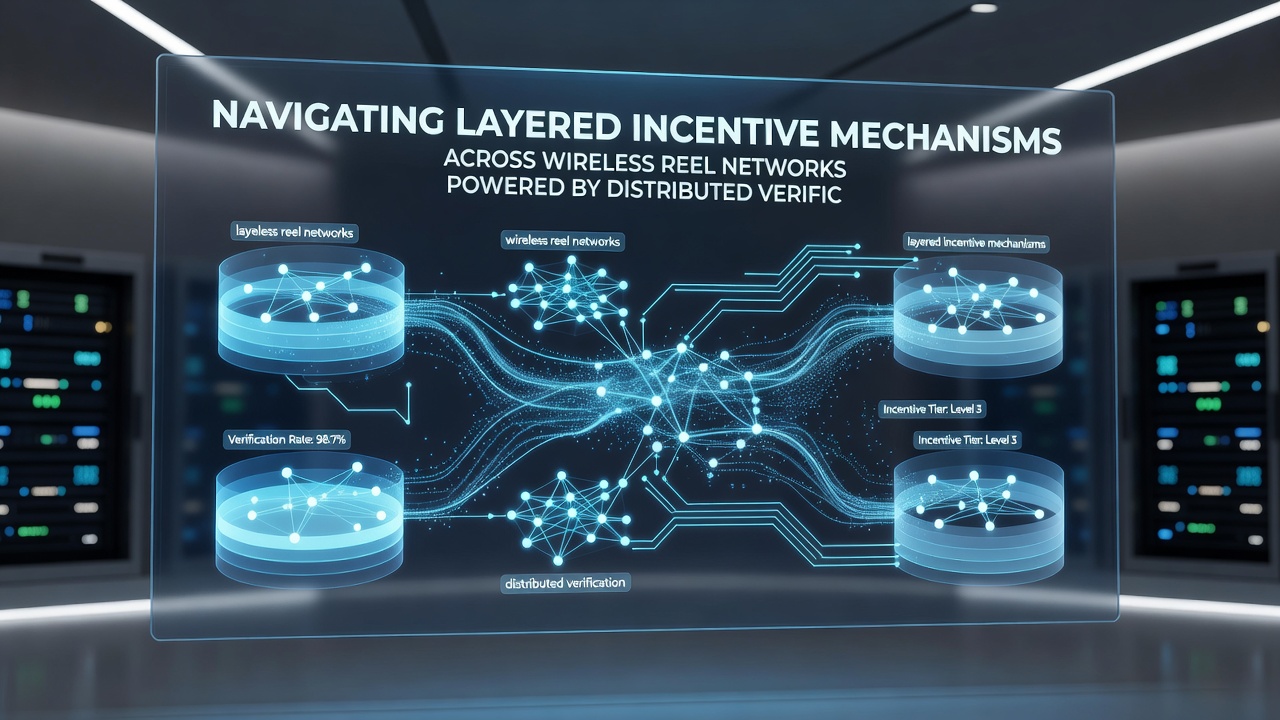
Wireless connectivity plays a central role because players frequently switch between cellular and Wi-Fi connections during sessions yet the verification process continues uninterrupted through redundant node pathways that maintain session continuity. In November 2026 several network operators completed upgrades that improved node synchronization speeds allowing incentive layer updates to reflect in user accounts within seconds rather than minutes. Those upgrades also introduced enhanced encryption for data packets traveling between mobile devices and verification nodes which further secures the integrity of activity records used to determine reward eligibility.
Participant Navigation Strategies
Dedicated participants learn to monitor their progress across multiple incentive layers by reviewing real-time dashboards within their mobile applications that display current tier status along with the specific activity metrics needed to reach the next level. Some users coordinate their play sessions around network peak times when verification node availability increases and processing speeds improve according to performance metrics published by several operators. Others focus on completing targeted challenges that the system designates as high-value activities because those tasks accelerate progression through layers while contributing verified data that strengthens the overall network consensus.
Network documentation reveals that participants who diversify their game selections across different reel types often accumulate verification points more efficiently because varied play patterns help balance load across verification nodes and reduce congestion during high-traffic periods. The same documentation notes that distributed verification protocols automatically adjust difficulty parameters for layer advancement when network activity spikes which prevents any single group of participants from dominating reward pools through coordinated high-volume sessions.
Regulatory Context and Network Compliance
Regulatory bodies in multiple regions have begun examining how distributed verification affects consumer protection standards within wireless reel environments. The Nevada Gaming Control Board published guidelines in late 2025 that require operators to maintain auditable records of all incentive layer calculations regardless of the verification method employed. Similar requirements emerged from the Victorian Commission for Gambling and Liquor Regulation which emphasized transparent reporting of how distributed nodes reach consensus on reward distributions. Operators that comply with these frameworks typically integrate additional logging features that allow regulators to review verification histories without compromising the decentralized nature of the underlying protocol.
Industry reports from the Responsible Gambling Council highlight that networks employing distributed verification often achieve higher compliance rates because the transparent ledger structure makes it easier to demonstrate that incentives reach eligible participants without manipulation. Participants benefit from this transparency because they can independently verify their own activity records against the network ledger before accepting any layer advancement.
Conclusion
Wireless reel networks continue to evolve their incentive mechanisms through distributed verification systems that support layered reward structures for dedicated participants while meeting emerging regulatory expectations across different jurisdictions. The combination of mobile accessibility and decentralized confirmation processes creates pathways for consistent engagement that scale with network growth. As updates rolled out in November 2026 demonstrate, ongoing technical refinements focus on faster synchronization and stronger encryption without altering the core principle that multiple nodes must agree before any incentive layer advances. Participants who understand these mechanics can navigate the system more effectively by aligning their activity with verification protocols that the networks themselves publish and maintain.