Performance Metrics Fueling Loyalty Program Advancements in Mobile Slot and Dealer Simulations
Written by Zoe Roth · Sep 5, 2026
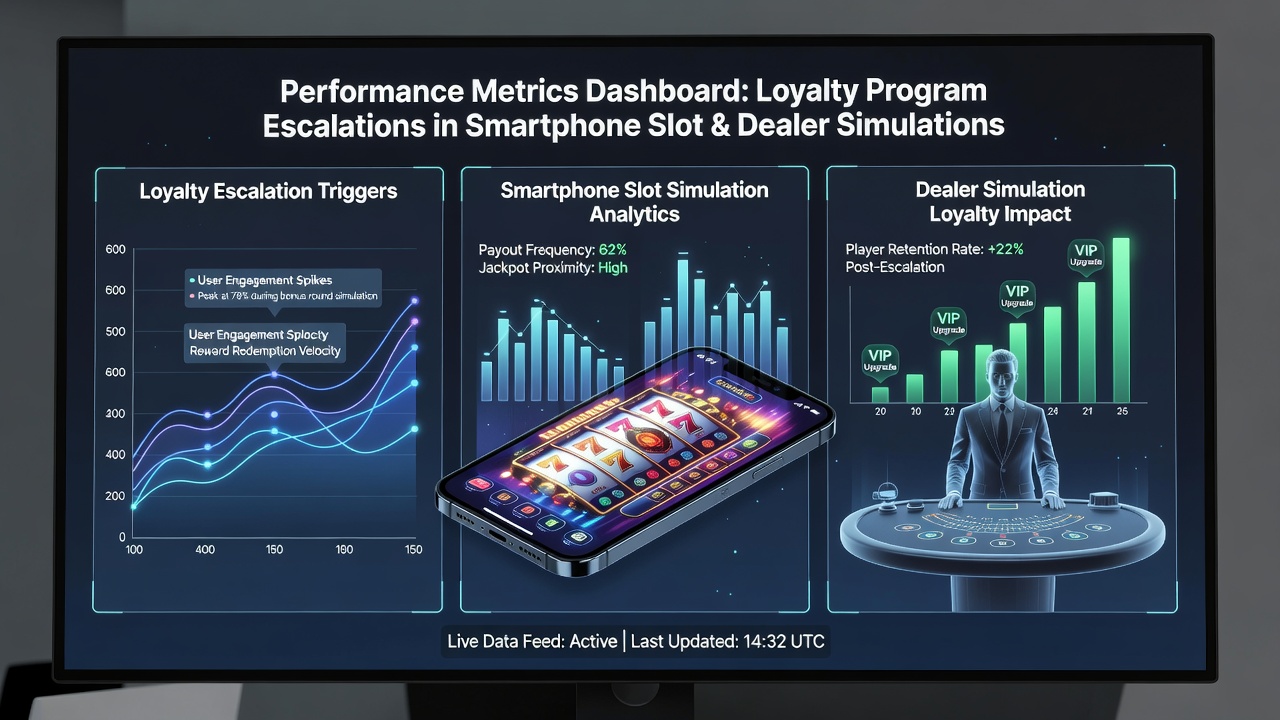
Performance Metrics Fueling Loyalty Program Advancements in Mobile Slot and Dealer Simulations
Performance metrics now shape how loyalty programs escalate for participants in smartphone slot and dealer simulations, with operators tracking engagement patterns across mobile platforms to determine tier advancements. Data from player sessions reveals patterns in spin frequency, bet sizing, and session duration that directly influence reward structures in these simulated environments.
Core Metrics Shaping Tier Progressions
Session length and repeat login rates stand out as primary drivers, since operators use these figures to calculate eligibility for higher loyalty levels in slot simulations. Average revenue per user combines with completion rates on simulated dealer tables to trigger escalations, while retention curves show how consistent participation over weeks leads to automated upgrades. Research indicates that platforms monitoring these indicators see faster movement through loyalty stages when metrics exceed set thresholds, and operators adjust bonus allocations accordingly.
What's notable is the role of real-time data feeds that update loyalty standings during active play, allowing smartphone users to view progress toward the next tier without leaving the app. Metrics such as hit frequency in slots and decision accuracy in dealer simulations feed into algorithms that escalate benefits like increased virtual credit limits or priority access to new game modes. Figures from industry tracking services reveal that participants who maintain elevated engagement scores over 30-day periods advance at rates 25 percent higher than average users.
Smartphone Slot Simulations and Loyalty Triggers
Slot simulations on mobile devices generate detailed logs of reel outcomes and bonus round activations that feed directly into loyalty calculations. Operators analyze variance in player choices across thousands of spins to identify those whose behavior signals sustained interest, which then prompts escalations such as personalized reward multipliers. Data shows that mobile-specific factors like screen interaction time and push notification response rates further refine these assessments, creating a layered system where performance in one area accelerates progress in others.
One study revealed that integration of these metrics with cross-session tracking has led to more precise tier assignments in networked gaming services. Players who demonstrate consistent high-volume activity in slot simulations often receive invitations to elevated programs featuring accelerated point accumulation, and the process relies on aggregated performance data rather than single events.
Dealer Simulation Performance and Escalation Pathways
Simulated dealer experiences introduce additional variables including response timing and strategic decision tracking that influence loyalty escalations. Platforms record metrics such as table occupancy duration and outcome prediction accuracy to determine when users qualify for advanced tiers that unlock exclusive simulation variants. According to reports from the Nevada Gaming Control Board, operators have refined these systems to align with regulatory standards on fair play tracking, ensuring escalations reflect genuine engagement patterns.
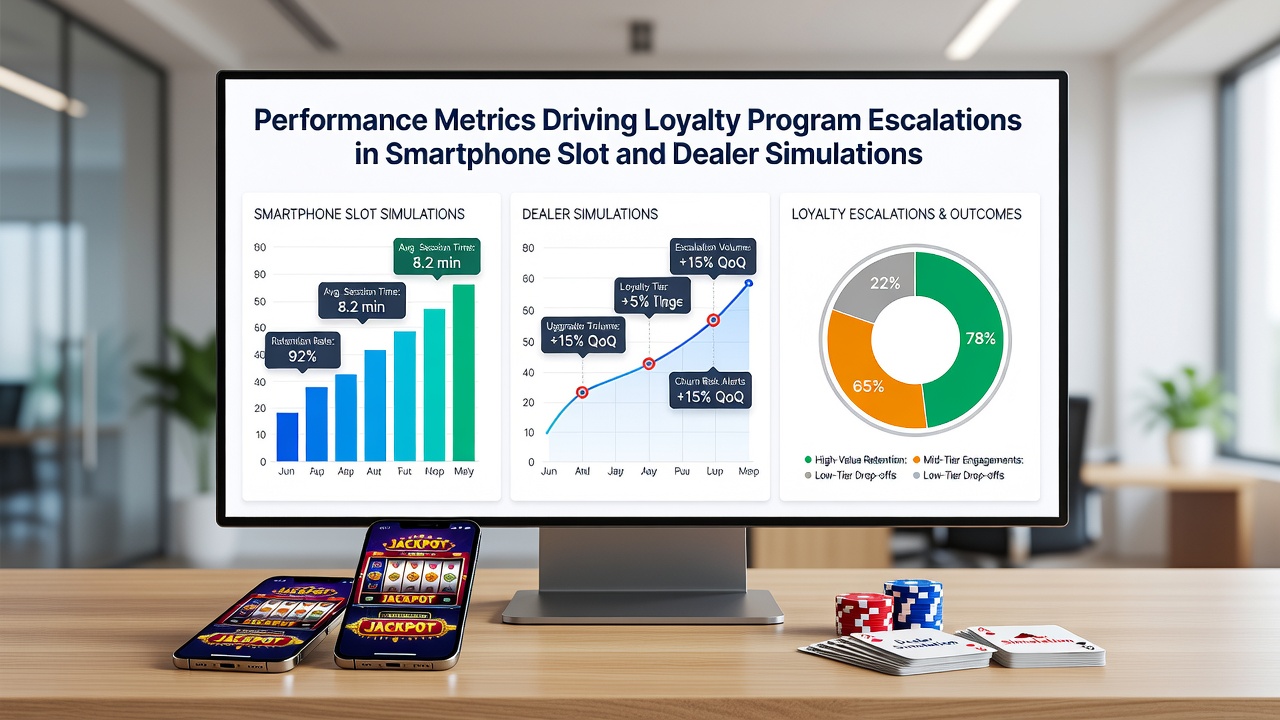
Turns out these pathways often connect slot and dealer activities, so a participant strong in both areas experiences compounded escalations. Metrics from September 2026 updates in mobile gaming platforms indicate that combined performance scores across simulations have become standard for determining access to premium features, with systems automatically adjusting rewards based on weekly data reviews.
Integration of Metrics Across Networked Services
Networked gaming services now link performance data from multiple smartphone simulations to create unified loyalty profiles. This approach allows escalations to account for overall activity rather than isolated game types, and operators use API connections to pull real-time figures on player behavior. Evidence suggests that such integration reduces discrepancies in tier assignments while supporting more responsive reward delivery systems.
Those who've examined these frameworks note how variance in simulation outcomes serves as a secondary metric that tempers or accelerates progress depending on consistency levels. Academic sources including studies from the University of Nevada, Reno have examined how these combined indicators affect long-term participation rates in mobile casino environments.
Regulatory Context and Data Standards in 2026
Updates entering September 2026 have prompted operators to standardize metric reporting for loyalty escalations in smartphone simulations. Regulatory bodies in various regions require transparent documentation of how performance data drives tier advancements, which has led to enhanced auditing processes across platforms. Industry associations such as the American Gaming Association have published guidelines on metric application that emphasize accuracy and player protection in these systems.
Observers note that compliance with these standards has encouraged adoption of verified tracking tools, ensuring escalations remain tied to measurable performance rather than subjective factors. This shift supports broader industry efforts to maintain integrity in mobile gaming loyalty structures.
Conclusion
Performance metrics continue to define loyalty program escalations in smartphone slot and dealer simulations through systematic tracking of engagement and outcome data. Operators rely on these indicators to automate tier advancements while meeting evolving regulatory expectations, and the approach has produced measurable shifts in how participants progress through reward structures. As platforms refine their systems, the connection between simulation performance and loyalty benefits remains central to the operational model.