Synchronizing digital ledger timestamps with real-time table outcomes across handheld loyalty frameworks
Written by Sage Flores · Oct 17, 2026
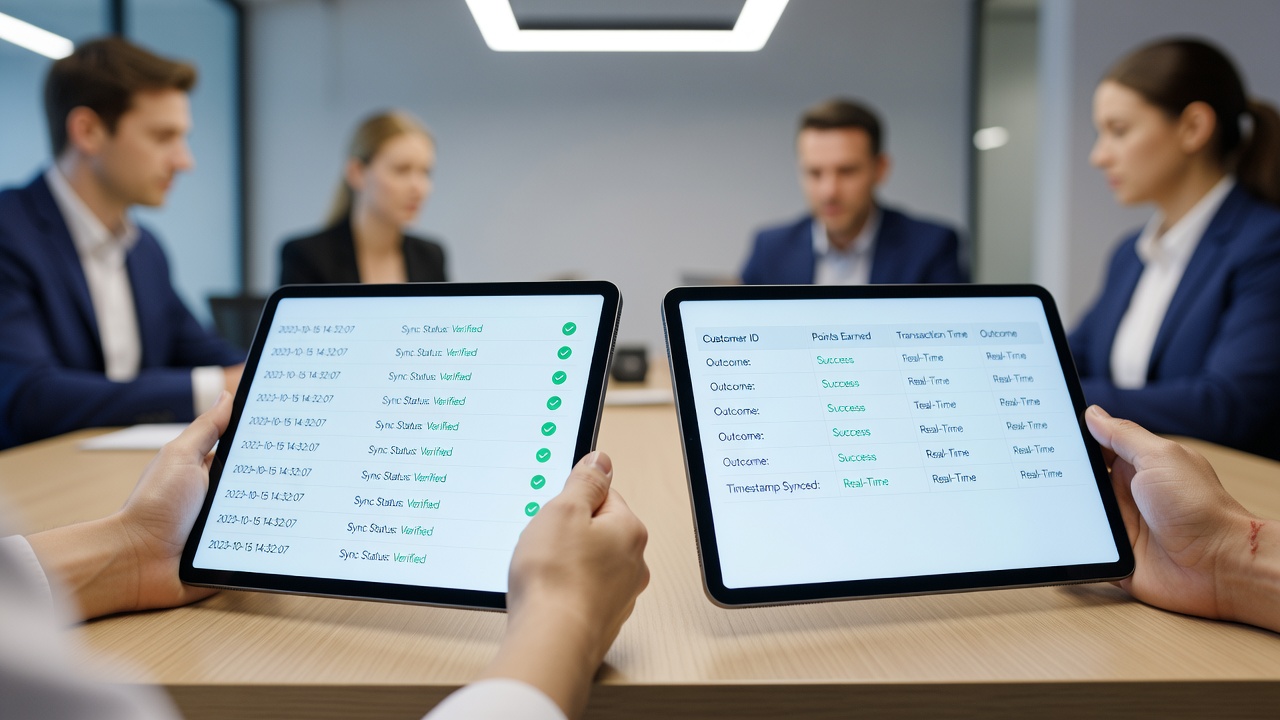
Synchronizing digital ledger timestamps with real-time table outcomes across handheld loyalty frameworks
Digital ledger systems record transaction data in sequential blocks that carry cryptographic timestamps, and these mechanisms now extend into handheld loyalty frameworks where real-time table outcomes from live dealer sessions feed directly into player reward calculations. Observers note that precise alignment between ledger entries and game results prevents discrepancies that could affect point accumulation or tier progression for participants using mobile applications.
Core Components of Timestamp Synchronization
Blockchain networks employ consensus protocols such as proof-of-stake or delegated proof-of-stake to validate new blocks, while each block contains a timestamp generated by network nodes that must fall within an acceptable deviation range set by the protocol rules. In loyalty frameworks, these timestamps capture the exact moment a table game outcome registers on the central server, allowing mobile devices to pull synchronized data without introducing latency that might alter reward eligibility. Researchers have documented how network latency between gaming servers and distributed ledger nodes creates synchronization gaps, prompting developers to implement hybrid models that combine on-chain verification with off-chain event triggers.
Handheld loyalty applications rely on application programming interfaces that push table outcome data into smart contracts, where the contract logic compares the incoming timestamp against the ledger's recorded block time to confirm validity. Studies indicate that millisecond-level precision matters because table games like blackjack or roulette generate results at high frequency, and any mismatch could exclude a player from a bonus round or loyalty multiplier that activates immediately after the outcome posts.
Integration with Live Table Game Ecosystems
Live dealer platforms stream video feeds alongside digital result feeds that update loyalty ledgers in near real time, and synchronization protocols ensure the ledger timestamp matches the moment the dealer reveals the card or spins the wheel. Data from industry deployments shows that operators in North America and Asia have begun embedding these protocols into existing mobile reward systems to handle cross-platform redemptions where players switch between handheld devices and desktop terminals. According to reports from the American Gaming Association, several casino groups tested ledger-based loyalty modules in 2025 that reduced reward disputes by aligning timestamps across multiple game types.

Engineers address clock drift between gaming servers and blockchain nodes by deploying time-stamping authorities that issue signed certificates compliant with standards outlined by the National Institute of Standards and Technology. These authorities provide an external reference that smart contracts query before finalizing a loyalty transaction, which helps maintain consistency even when mobile networks introduce variable delays. In October 2026, several Asian gaming operators plan expanded rollouts of these synchronized systems following pilot programs that demonstrated improved accuracy in tracking progressive jackpot contributions tied to table game results.
Challenges in Cross-Platform Loyalty Tracking
Mobile loyalty frameworks must reconcile data from multiple table game providers, each operating on separate servers with distinct internal clocks, and ledger synchronization protocols use hash chains to link sequential outcomes into immutable sequences. Observers have noted that regulatory environments in regions such as Australia and the European Union require audit trails that these timestamped ledgers can supply more efficiently than traditional databases. Network congestion during peak hours can delay block confirmations, yet developers mitigate this by batching multiple table outcomes into single ledger entries while preserving individual timestamps within the batch metadata.
Security considerations include protecting timestamp data from manipulation attempts that might inflate loyalty balances, and encryption layers combined with multi-signature requirements on smart contracts help enforce integrity across handheld devices. Research from academic institutions in Canada has examined how Byzantine fault tolerance mechanisms within ledger networks maintain synchronization even when a subset of nodes experiences temporary disconnection from the main gaming server cluster.
Future Developments and Standards
Industry groups continue to refine interoperability standards that allow different loyalty platforms to read timestamps from a shared ledger without exposing proprietary game logic. These standards incorporate elements from existing financial timestamp protocols, adapted for the higher transaction volumes typical of table game environments. Participants in loyalty programs benefit when synchronization occurs seamlessly, as reward balances update without requiring manual intervention or support tickets to resolve timing conflicts.
Conclusion
Synchronization of digital ledger timestamps with real-time table outcomes continues to evolve as handheld loyalty frameworks expand across global gaming markets, with technical implementations focusing on precision, security, and regulatory compliance. Operators and technology providers work together to refine protocols that support accurate reward distribution while maintaining the immutability that distributed ledgers provide.